 Moon Dasha
Arundhati Roy Astrology Birth Chart
According to sidereal / Vedic astrology
Author, Activist
- Date of Birth
- November 24, 1961
- Time of Birth
- UnknownUncertain accuracy
- Place of Birth
- Shillong, Meghalaya, India
UTC+5:30 · 25.5788 N, 91.8831 E
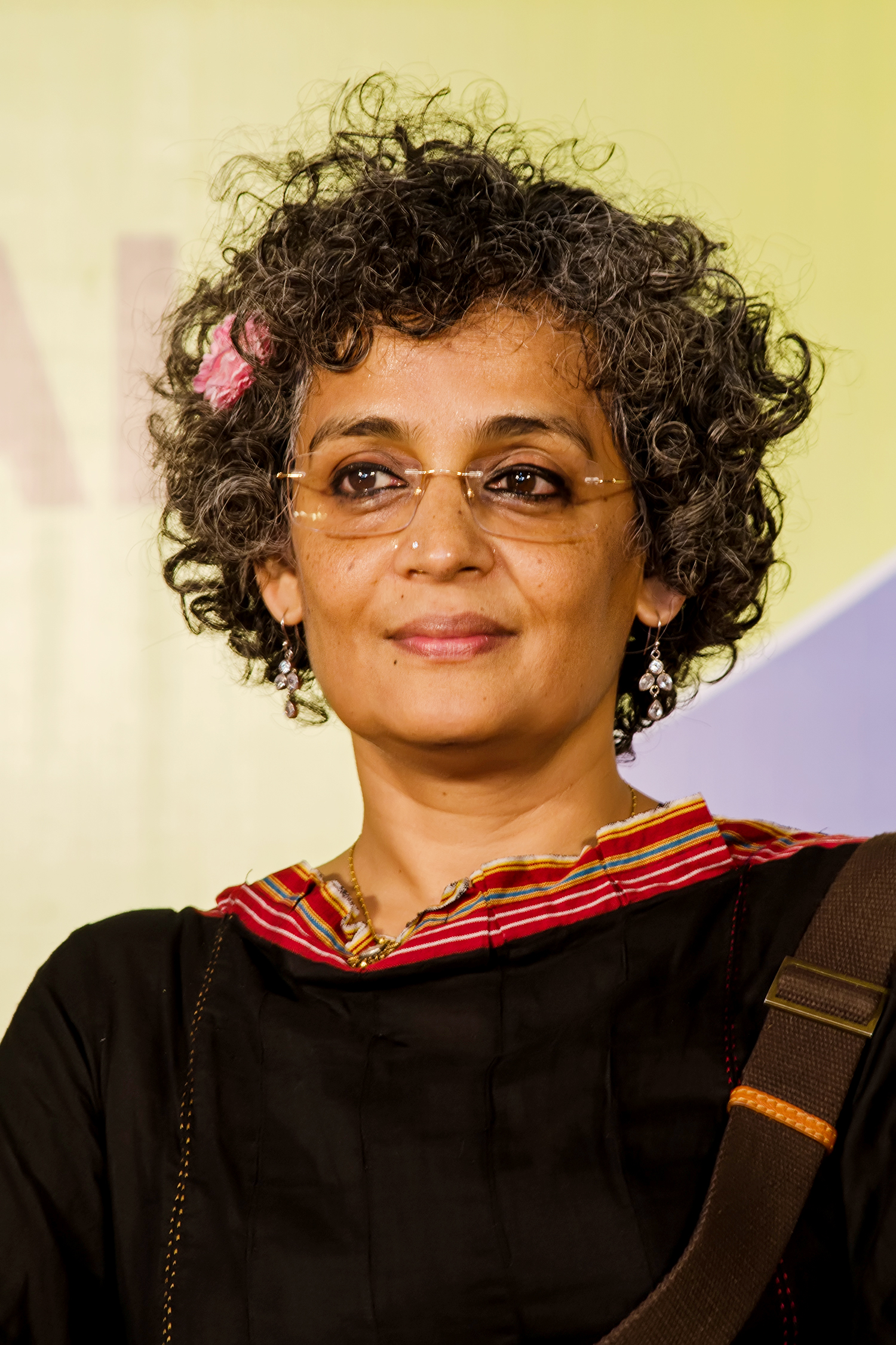
The recorded birth time is unavailable, so 12:00 local time is used for this calculation. The Ascendant and divisional charts may be less reliable.
About Arundhati Roy
Arundhati Roy is an Indian novelist, essayist, screenwriter, and political activist whose lyrical fiction and forceful nonfiction have made her a prominent international voice. Born in Shillong and raised largely in Kerala, she studied architecture in Delhi before working in film, television, and design. Her first novel, The God of Small Things, draws on the landscape and social structures of Kerala to examine family memory, caste, gender, forbidden love, and childhood trauma. Its inventive English prose and nonlinear form brought worldwide recognition and the 1997 Booker Prize. Rather than immediately following the novel with more fiction, Roy turned much of her attention to political essays and public campaigns. She has written against nuclear weapons, large dams, corporate globalization, militarization, Hindu nationalism, and state violence. Her work on Kashmir, Maoist insurgency, and minority rights has frequently generated controversy, legal complaints, and intense debate. Roy's essays combine reported encounters, historical argument, satire, and moral urgency, often centering communities excluded from official narratives of development. Her second novel, The Ministry of Utmost Happiness, appeared in 2017 after a twenty-year interval and brought together stories of displacement, conflict, caste, gender identity, and resistance. Roy remains admired for literary courage and criticized for positions that opponents consider selective or polarizing. The PEN Pinter Prize in 2024 recognized her uncompromising engagement with contemporary injustice.
Life Events
Roy spent parts of her childhood in Kerala before leaving home as a teenager and studying architecture in Delhi. She worked with filmmaker Pradip Krishen, acted in Massey Sahib, and wrote screenplays including In Which Annie Gives It Those Ones, which received a National Film Award. The God of Small Things was published in 1997 and won the Booker Prize, transforming her into an internationally known writer. India's 1998 nuclear tests prompted The End of Imagination and marked her turn toward political nonfiction. She then joined campaigns opposing the Narmada dam project and wrote about displacement, privatization, war, caste, and Kashmir. In 2002, India's Supreme Court convicted her of criminal contempt after proceedings connected to her criticism of the court and sentenced her to one day in jail. The Sydney Peace Prize recognized her public advocacy, though Roy often declined or questioned institutional honors. Her second novel, The Ministry of Utmost Happiness, appeared in 2017 and was longlisted for the Booker Prize. Later collections, including Azadi, examined language, freedom, and majoritarian politics. In 2024, she received the PEN Pinter Prize. Her career continues to move between imaginative literature and public argument, with each side shaping the force of the other.
Life Timeline
- 1989
Received a National Film Award for the screenplay of In Which Annie Gives It Those Ones, a television film set among architecture students in Delhi.
- 1997
Published her debut novel, 'The God of Small Things', which won the Booker Prize.
- 1998
Began writing political essays, starting with 'The End of Imagination', a critique of India's nuclear policies.
- 1999
Published The Greater Common Good and became closely associated with opposition to the Narmada dam project, drawing international attention to displacement caused by large development schemes.
- 2002
Was convicted of criminal contempt by India's Supreme Court and served a one-day jail sentence after a case arising from protests and her criticism of the judiciary.
- 2004
Received the Sydney Peace Prize for her advocacy of nonviolence, human rights, and social justice and for giving sustained attention to communities displaced by development.
- 2017
Published her highly anticipated second novel, 'The Ministry of Utmost Happiness'.
- 2020
Published Azadi, a collection of essays addressing language, literature, nationalism, the conflict in Kashmir, and the political conditions surrounding the COVID-19 pandemic.
- 2024
Received the PEN Pinter Prize, which honors writers of outstanding literary merit who present an unflinching view of contemporary life.
D1Rashi Chart
D9Navamsa Chart
Planetary Positions
| Planet | Sign | Degrees | Nakshatra | Pada |
|---|---|---|---|---|
| Calculating chart | ||||
Mahadasha Timeline
Calculating chart


